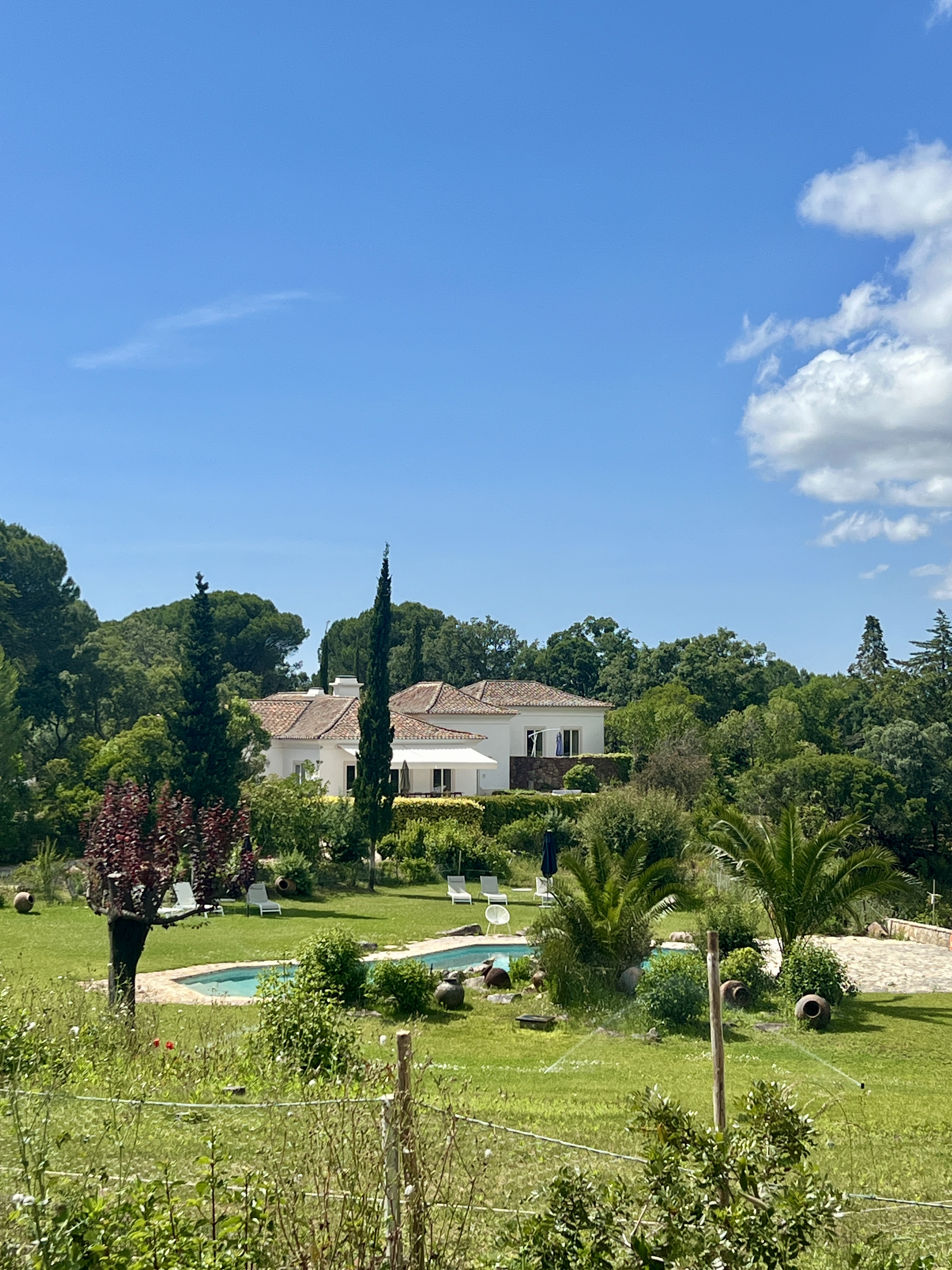
A beautiful setting can persuade you to book too quickly. The photos show soft morning light, a pool framed by trees, a stone terrace made for long dinners, and suddenly the decision feels easy. But knowing how to choose private holiday accommodation well means looking beyond charm alone and asking a better question - what kind of stay do you actually want to have?
For some travelers, privacy is the real luxury. For others, it is space to gather with family, wake up slowly, cook together, and spend more time outdoors than in the car. The best private stay is not simply attractive. It fits the rhythm of your trip, the people you are traveling with, and the atmosphere you hope to find when you arrive.
How to choose private holiday accommodation for the right kind of escape
The first decision is not about design, price, or even location on a map. It is about the feeling you want from the trip. If you are planning a weekend with friends, you may want generous shared spaces and enough separation for everyone to feel comfortable. If you are traveling as a family, outdoor areas, easy movement between rooms, and a calm environment may matter more than statement interiors.
This is where many travelers make the wrong comparison. They look at private accommodation as if it were a hotel alternative, when in reality it offers something quite different. A private house or farm stay gives you freedom over your time. Breakfast does not happen on a schedule. Evenings can stretch naturally. Children can play without the formality of public spaces. The experience becomes less about being served around other guests and more about inhabiting a place that feels temporarily your own.
That distinction matters because it shapes what to prioritize. A stay meant for rest and reconnection should not be judged only by amenities. It should also be judged by atmosphere, privacy, and how naturally life can unfold there.
Start with privacy, not just exclusivity
Private holiday accommodation often promises exclusivity, but exclusivity can mean different things. Sometimes it simply means a separate unit within a larger property. Sometimes it means a fully independent house with no shared leisure areas and no sense of interruption. If privacy is central to your trip, the difference is significant.
Look closely at how the property is arranged. A beautiful home can still feel exposed if neighboring guests overlook the pool, if access roads are busy, or if outdoor areas are visually shared. If your ideal stay includes quiet mornings, long meals outside, or uninterrupted time with family and friends, physical privacy is worth paying attention to.
This is especially true for group travel. People often think only about bedroom count, but the more important question is whether the house lets the group be together comfortably without feeling crowded or watched. Real privacy creates ease. It lets everyone settle in.
Let the setting shape the experience
Location is usually discussed in practical terms - distance from beaches, towns, restaurants, or airports. Those details matter, but for a private countryside stay, the wider setting often matters more. A house inside or near a natural park, vineyards, orchards, or protected hillsides offers a very different kind of stay from one beside a busy road with a rural label attached.
When thinking about how to choose private holiday accommodation, ask what the surroundings add to your days. Can you walk out into nature? Is there a sense of calm when you step outside? Does the landscape invite slower mornings and more time outdoors? A meaningful setting does part of the work for you. It changes the pace of the trip without effort.
This is one reason travelers are increasingly drawn to places rooted in local character. A stay with a true sense of place gives more than scenery. It gives texture to the experience - regional architecture, natural materials, local food culture, and a feeling that you are somewhere specific rather than anywhere pleasant.
Comfort should feel generous, not generic
In private accommodation, comfort is rarely about excess. It is about whether the house supports the way you want to live during your stay. A well-equipped kitchen matters if meals will be shared at home. Outdoor dining areas matter if evenings are part of the appeal. Shade, quiet bedrooms, and comfortable common spaces matter because private stays invite people to spend real time in them.
This is where listing descriptions can be misleading. High-end finishes are welcome, but they do not always translate into warmth. A property can be beautifully styled and still feel inconvenient, sparse, or impersonal. The better question is whether the comfort feels lived-in and thoughtful.
You can often sense this in the details. Is there enough seating for the size of the group? Do indoor and outdoor spaces connect naturally? Does the home feel designed for lingering, not just sleeping? Premium accommodation should feel easy to inhabit, not simply polished to photograph well.
Match the house to the people traveling with you
A private stay that feels perfect for a couple may feel awkward for two families. A house that suits a celebratory weekend may not work for a slower multi-generational trip. The right choice depends not only on how many people are coming, but on how they will spend time together.
Think about group dynamics before you book. Friends traveling together often value sociable spaces, outdoor gathering areas, and a relaxed sense of independence. Families may care more about safety, flexible room arrangements, and enough room for both activity and rest. Couples usually notice atmosphere first - quiet, views, intimacy, and a strong connection to the setting.
There is no universal best option. There is only the accommodation that suits the shape of your trip. The more honestly you consider that, the more likely the stay will feel effortless once you arrive.
What matters most for longer stays
If you are staying more than a few nights, small practical details become more important. Storage, kitchen usability, laundry access, comfortable seating, and proximity to activities all start to shape the quality of the trip. For a short weekend, you may overlook minor inconveniences. Over a week, those same details can define the experience.
Longer stays also benefit from a property with variety - shaded outdoor areas, places to read quietly, room for children to move, and nearby options for walking, swimming, or day trips. A house that supports both stillness and exploration tends to age well over several days.
Look for authenticity, not staged rusticity
Many travelers want rural accommodation because they are seeking something more grounded and personal than a standard resort. But not every countryside stay delivers that feeling. Some are styled to look rustic while offering little connection to the region around them.
Authenticity is less about decoration and more about relationship to place. Does the property feel part of its landscape? Is the hospitality personal rather than transactional? Are local materials, local rhythms, and local culture present in a natural way? The most memorable private stays do not force this. They simply reflect where they are.
For guests seeking a slower and more restorative break, this matters. Real character tends to create calm because it feels settled. It does not perform. It welcomes.
When activities add value
Private accommodation becomes even more compelling when the destination offers more than the house itself. Nature walks, outdoor recreation, local food experiences, and nearby villages can deepen a stay without making it busy. The key is balance. You want enough to do, but not so much that the pace becomes crowded.
This is where an experience-led property stands apart. In a setting such as Arrabida Natural Park, for example, the best stay can offer both retreat and access - privacy when you want to slow down, and outdoor possibilities when you want to step out into the landscape. Quinta da Arrábida reflects this balance especially well, pairing private accommodation with a sense of place that feels both peaceful and richly connected to its surroundings.
Read with care, then trust the tone
Reviews and descriptions are useful, but they should be read for patterns rather than perfection. Repeated mentions of warmth, quiet, comfort, and helpful hosting usually tell you more than dramatic praise. Equally, if guests consistently mention difficult access, limited privacy, or misleading photos, pay attention.
Tone also matters. The way a property presents itself often reveals the experience it is trying to create. If the language feels generic, the stay may be too. If it communicates place, care, and a clear sense of who the stay is for, that is often a good sign.
Private holiday accommodation works best when it feels chosen, not just booked. The right house gives your trip its own rhythm. It invites slower mornings, longer conversations, and the kind of comfort that makes everyone want one more night.
Choose the place that lets you live the way you hoped to feel once you finally got away.