Some parts of Portugal ask very little of you. A morning coffee in a village square, a market that still sets the pace of the week, a walking trail that ends at the sea instead of a souvenir shop - this is where the best places for slow travel Portugal reveals itself most clearly.
Slow travel is not simply staying longer. It is choosing places that reward your attention. The right destination makes it easy to trade a packed itinerary for long lunches, local conversations, and days shaped by weather, appetite, and mood. In Portugal, that usually means looking beyond the busiest city centers and toward regions where landscape, culture, and hospitality still feel closely tied.
What makes the best places for slow travel in Portugal?
The best slow travel destinations are rarely the loudest ones. They tend to have a strong sense of place, enough beauty to hold your interest over several days, and a daily rhythm that does not depend on constant entertainment. Access matters, of course, but so does restraint. A destination can be beautiful and still feel tiring if it is overcrowded, expensive, or designed for quick consumption.
For many travelers, the sweet spot in Portugal is a place with nature nearby, excellent local food, and room to settle into a routine. That might mean a coastal village where afternoons stretch easily, a wine region with quiet roads and family-run estates, or a rural retreat where privacy becomes part of the experience. If you are traveling as a couple, with children, or with friends, space and atmosphere matter just as much as location.
1. Arrábida Natural Park
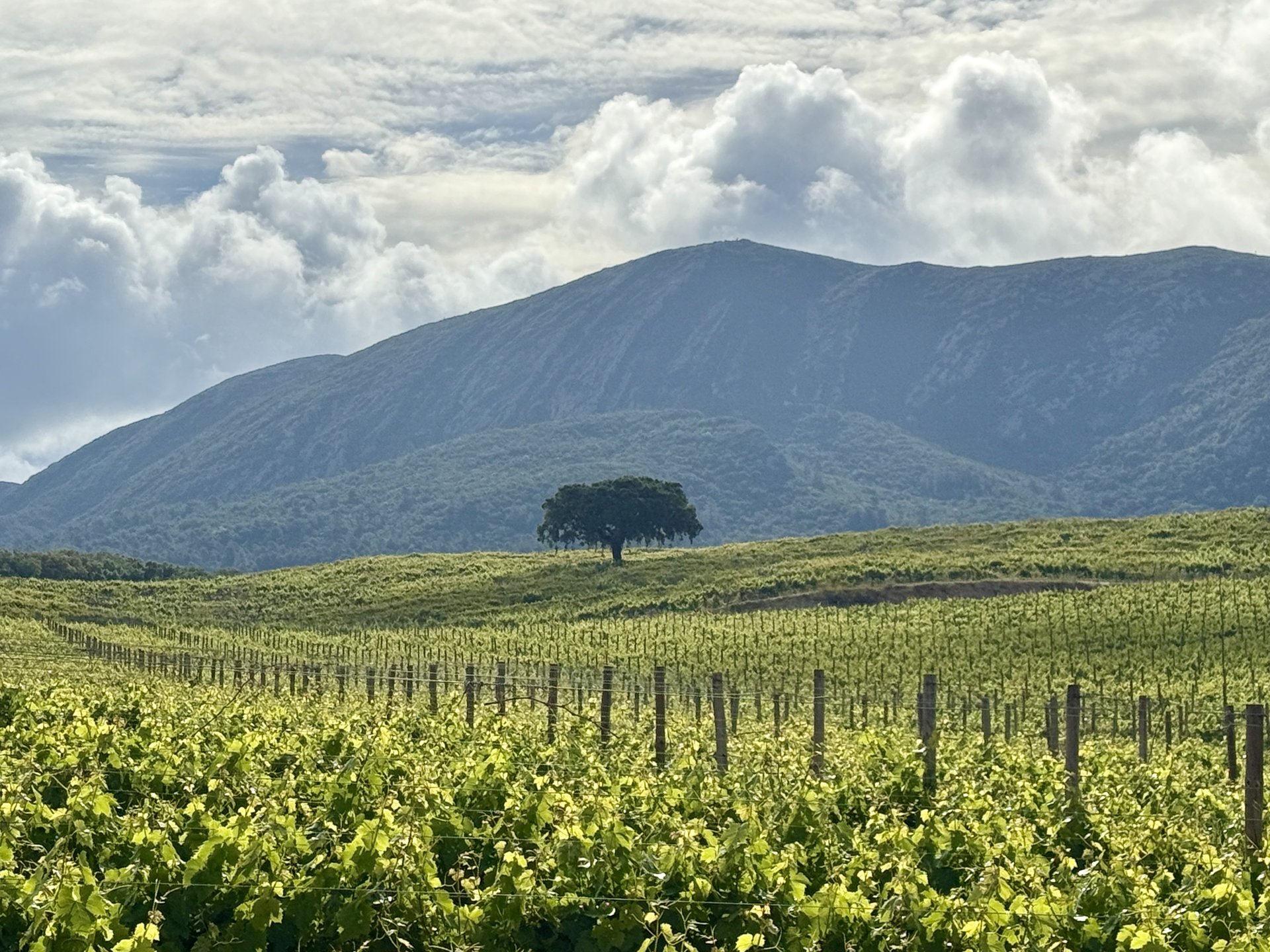
Arrábida has a rare balance that slow travelers tend to remember. It feels protected and generous at the same time - green hills dropping toward bright blue water, quiet roads, small towns, vineyards, and hidden beaches that reward patience. It is close to Lisbon, yet it does not carry the same urgency.
This is one of the strongest answers to anyone searching for the best places for slow travel Portugal can offer, especially if you want a nature-led stay without losing comfort. Days here can be wonderfully simple: a morning walk through pine-scented trails, lunch of fresh fish in Sesimbra or Setúbal, an unhurried afternoon overlooking the sea, and an evening with local wine as the light softens over the hills.
It also works especially well for private group stays. Rather than moving hotels every night, this is the kind of region where a well-chosen house lets you settle in and experience the landscape properly. Quinta da Arrábida belongs naturally in that conversation, particularly for travelers who want privacy, countryside character, and easy access to the park’s quieter pleasures.
2. Alentejo
If your version of luxury includes silence, the Alentejo is difficult to beat. The landscape is broad and calming, with cork oaks, olive groves, whitewashed towns, and roads that seem to encourage slower driving. It is less about checking landmarks off a list and more about how a place makes you feel after two or three days.
Évora is often the entry point, and it is worth your time, but the region opens up most beautifully when you move into smaller places such as Monsaraz, Vila Viçosa, or the countryside around Estremoz. Food is central here, not in a theatrical way but in a deeply rooted one. Long meals, local wines, and traditional cooking make staying put feel easy.
The trade-off is that the Alentejo can feel too quiet for travelers who want nightlife or a packed cultural calendar every day. That is precisely why others love it.
3. The Douro Valley
The Douro is famous, but it can still be a slow travel destination if you approach it well. The mistake is trying to treat it as a day trip with a checklist of viewpoints and wineries. The better choice is to stay several nights, ideally in one of the quieter stretches, and let the valley unfold gradually.
This is a place for river light, terraced vineyards, train rides that are more about scenery than speed, and afternoons that begin with a tasting and end with nowhere urgent to be. The changing landscape through the day gives it unusual depth. Morning mist, bright midday heat, and golden evening slopes make even familiar views feel different.
Peak season brings more visitors, especially around well-known quintas. If privacy matters, choose a smaller base and travel at the edges of the season, when the valley feels more intimate.
4. Comporta
Comporta has become more visible in recent years, which means it sits in an interesting middle ground. It is stylish, certainly, but its appeal for slow travel is still rooted in simpler pleasures: rice fields, dunes, pine forests, quiet beaches, and a softer pace than many better-known coastal areas.
For travelers who want understated refinement, it works beautifully. You can spend days moving between beach walks, leisurely lunches, and village browsing without feeling that you are missing some major attraction. The atmosphere is part of the point.
That said, Comporta is no longer a secret. In high summer, prices rise and the calm can thin out. Outside the busiest weeks, it feels much closer to the version people imagine.
5. The Silver Coast
Portugal’s Silver Coast often suits travelers who want the sea without the pressure of a resort-heavy itinerary. Towns such as São Martinho do Porto, Foz do Arelho, Nazaré beyond its busiest pockets, and smaller inland villages offer a more grounded coastal experience.
This region works well for families and multigenerational trips because it has variety without excess. Beaches, seafood, local markets, short drives between towns, and a slower residential feel make it easy to settle in. You can have a beach day, a countryside lunch, and a quiet evening at home without spending half the day in traffic.
The mood is less polished than Comporta and less dramatic than the Algarve, but for many travelers that is a strength, not a weakness.
6. Central Portugal’s Schist Villages
For travelers drawn to rural heritage, the schist villages in central Portugal offer something more textured and deeply local. These small villages, built from dark stone and tucked into hills and forest, feel far from urban rhythms in the best way.
This is where slow travel becomes very literal. You walk more. You notice architecture, birdsong, and the way evening settles over a valley. Villages such as Talasnal or Cerdeira are not designed for fast tourism, which makes them especially appealing if you want a few days of real quiet.
The trade-off is that services can be limited, and that is not ideal for everyone. If you want many restaurant options or easy nightlife, this is not the right fit. If you want restoration and atmosphere, it is memorable.
7. The Azores
The Azores require more commitment than mainland Portugal, but they reward it with one of the strongest slow travel experiences in the country. These islands are best when you resist the urge to island-hop too aggressively. Choose one or two, stay longer, and let weather and landscape shape your plans.
São Miguel is often the most practical place to begin, with hot springs, crater lakes, coastal roads, and enough dining and activity options to support a relaxed stay. Pico offers a different pleasure, more elemental and wine-shaped, with a striking volcanic landscape.
The islands are ideal for travelers who want nature to be the center of the trip. The one caution is weather. Plans can change quickly, so flexibility matters.
8. Tavira and the Eastern Algarve
The Algarve is often dismissed by slow travelers too quickly. Parts of it are overbuilt and crowded, yes, but the eastern side tells a different story. Tavira, especially, has grace. It is walkable, attractive without feeling overly polished, and close to beaches that still ask for a little effort.
A longer stay here can be very satisfying. Mornings in town, afternoons on Ilha de Tavira or nearby stretches of sand, dinners that begin late and end slowly - it all lends itself to an unhurried rhythm. The surrounding area, including Cacela Velha and smaller villages, adds even more depth.
If you travel in peak summer, expect more company. In spring or early fall, the region feels far more generous.
How to choose the right slow travel destination in Portugal
It depends on what kind of slowing down you want. If you imagine sea views, walking trails, and private countryside stays near a major city, Arrábida is a very strong match. If wine, silence, and open landscapes matter more, look to the Alentejo or Douro. If your ideal trip includes beaches but not a resort atmosphere, consider the Silver Coast, Comporta, or eastern Algarve.
It also helps to think about how you want to spend your time indoors, not just outdoors. Slow travel is often more rewarding when your accommodation gives you room to cook, gather, read, rest, and simply stay put. A beautiful region matters, but so does having a place that makes lingering feel natural.
Portugal does not need to be rushed to be impressive. In fact, it becomes more generous when you stop trying to see all of it. Choose one place with care, stay long enough to form habits, and let the trip begin to feel less like a schedule and more like a life you would gladly borrow for a while.