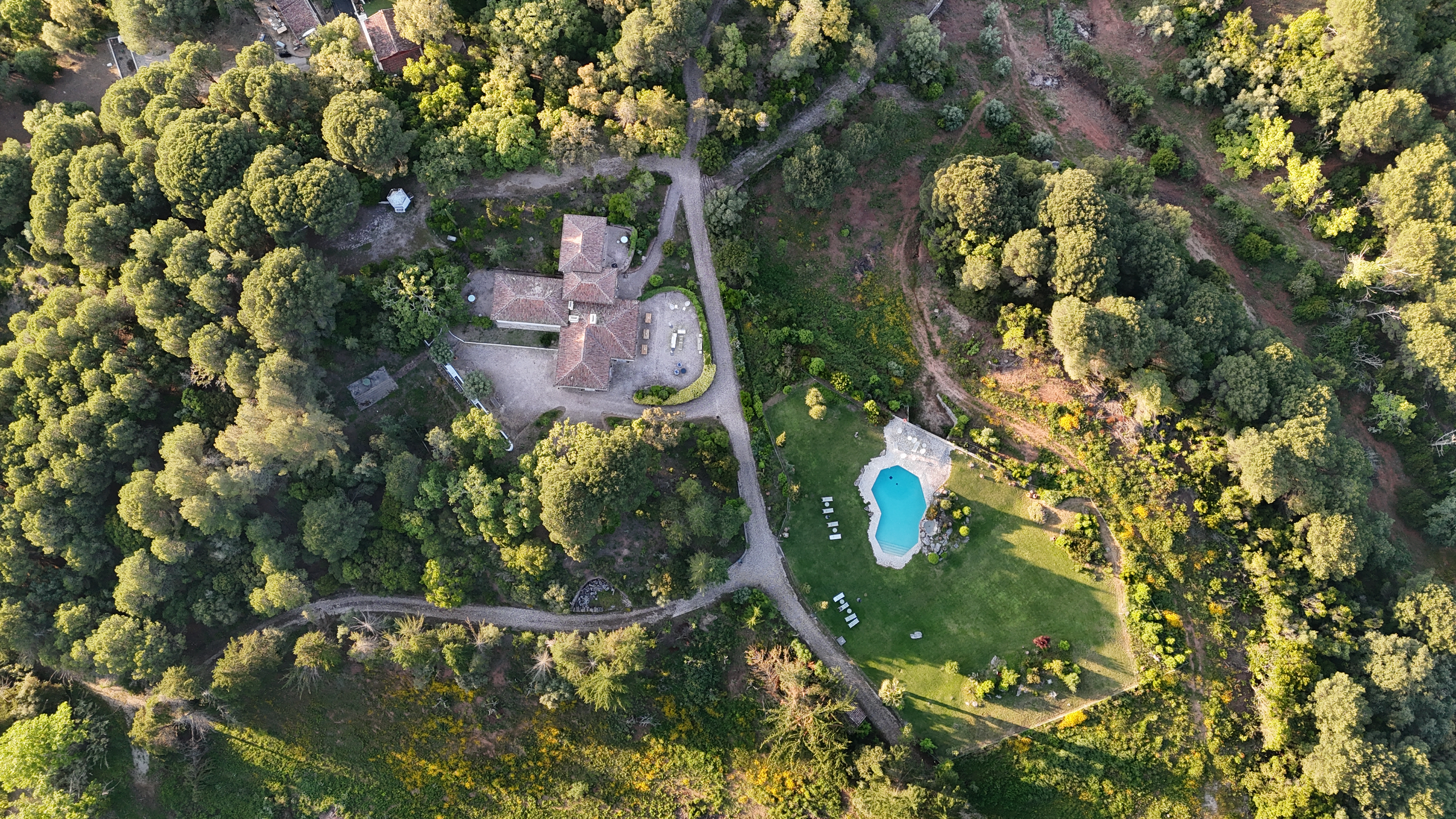
Some trips are built around a city address and a room number. Others begin with morning light over the hills, breakfast taken slowly, and enough space for everyone to settle in. That is the heart of the farm stay versus hotel vacation decision - not simply where you sleep, but how you want to feel while you are away.
For travelers choosing between a rural retreat and a traditional hotel, the right answer depends on the kind of escape you want. If your priority is efficiency, daily service, and easy access to urban attractions, a hotel can make perfect sense. If you are craving privacy, nature, and a more personal connection to place, a farm stay offers something a standard property rarely can.
Farm stay versus hotel vacation: what really changes
The biggest difference is the rhythm of the stay. Hotels are designed for consistency. You arrive, check in, and step into a system built to serve many guests at once. That structure can be comforting, especially for short trips, business travel, or weekends packed with reservations.
A farm stay feels more residential and more rooted. Instead of moving through shared spaces shaped for volume, you settle into an environment with its own character. The landscape matters. The quiet matters. Even the way the day unfolds tends to change. People linger longer over meals, spend more time outdoors, and often reconnect with each other because there is less noise competing for attention.
That difference becomes especially clear for couples, families, and groups of friends. In a hotel, togetherness often happens in fragments - a shared breakfast table, maybe an hour by the pool, then everyone returns to separate rooms. In a private rural stay, the trip itself becomes more communal. You cook, talk, rest, and explore from the same home base.
Privacy is where a farm stay often wins
Privacy is one of the strongest reasons travelers choose a farm stay over a hotel. Even a beautiful hotel usually comes with neighboring rooms, common hallways, pool etiquette, breakfast schedules, and the subtle sense that you are always sharing the experience with strangers.
A farm stay creates a different feeling. You can wake up without corridor noise, have coffee outside in your own time, and let children move more freely. If you are traveling with extended family or close friends, that privacy is not just pleasant. It shapes the entire mood of the trip.
For many guests, luxury is no longer defined only by thread count or room service. It is the freedom to enjoy space without interruption. It is the ease of spending time together without crowds around you. It is the calm that comes from feeling tucked into the landscape rather than placed inside a busy hospitality system.
Space changes the quality of a trip
Hotels are often efficient with space. That works well when the room is simply a base between outings. But if the accommodation is meant to be part of the experience, the limits become more obvious.
A farm stay usually gives you room to spread out, both indoors and outdoors. Bedrooms are only one part of the stay. Shared living areas, terraces, gardens, and open views add a sense of ease that is hard to recreate in a hotel layout. For families, that means children are not confined to a single room. For adults, it means the trip can feel relaxed instead of compressed.
This matters even more on longer stays. After two or three nights, a hotel room can start to feel temporary. A house in a rural setting tends to feel more livable. You unpack differently. You move more slowly. You settle in.
Hotels offer convenience, but not always connection
There are real strengths to a hotel vacation. Daily housekeeping, an on-site restaurant, concierge support, and central locations can make planning easier. If your main goal is to see a city, attend an event, or keep everything simple, a good hotel is still a very practical choice.
But convenience is not always the same as emotional value. Many travelers remember very little about the hotel itself unless it was unusually exceptional. The stay supported the trip, but it was not the trip.
A farm stay tends to blur that line in the best way. The setting, the architecture, the sounds of the countryside, and the slower pace become part of what you remember most. The accommodation is not just functional. It gives shape to the experience.
Farm stay versus hotel vacation for families and groups
This is where the comparison becomes less abstract. For a couple on a one-night stopover, a hotel may be entirely enough. For a family with children, grandparents, or a group of friends trying to spend real time together, a farm stay often feels better suited from the start.
Hotels divide people into separate rooms and separate routines. That can create convenience, but it can also dilute the sense of being away together. A private house or rural accommodation makes conversation, shared meals, and unplanned moments more natural.
There is also a practical side. Group travel in hotels can become expensive once multiple rooms, dining out, and extras are added. A farm stay may offer better value when space, privacy, and shared use are part of the package. That does not mean it is always cheaper. It means the experience often feels richer for what you pay.
The setting matters more than many people expect
One of the quiet disappointments of some hotel vacations is that they could almost happen anywhere. The service may be polished, the room comfortable, but the sense of place is weak. The stay feels interchangeable.
A farm stay is usually the opposite. It draws meaning from where it is. The landscape outside the window is part of the stay. Local materials, regional traditions, and the surrounding nature all help create an atmosphere that feels specific rather than generic.
For travelers coming to Portugal, that distinction matters. A rural stay in a protected natural setting offers a more intimate encounter with the country than a standard resort corridor ever could. In places such as Arrábida, where sea, hills, vineyards, and village life exist close together, the accommodation can become a gateway to a quieter and more authentic side of the region. That is part of what makes a stay at Quinta da Arrábida feel less like booking a room and more like entering a landscape.
When a hotel is still the better choice
A fair comparison should admit the trade-offs. Farm stays are not the right answer for every traveler or every trip.
If you want a late-night bar downstairs, valet parking, a gym, and instant access to shopping or business districts, a hotel is better aligned with that agenda. If you prefer highly structured service and minimal self-direction, a hotel may also feel easier.
Rural stays ask for a different mindset. You are choosing atmosphere over speed, character over uniformity, and quiet over constant activity. For many people that is exactly the appeal. For others, especially on a fast-paced itinerary, it may feel too removed.
How to choose the stay that fits you best
The easiest way to decide is to ask what you want the trip to restore. If you want efficiency, movement, and a familiar hospitality model, choose the hotel. If you want your days to open up, your surroundings to calm you, and your time together to feel less interrupted, choose the farm stay.
It also helps to think about what you will remember six months later. The elevator ride and breakfast buffet rarely stay with you. The long dinner outdoors, the silence at dawn, the children running in open air, and the feeling of having a place to yourselves usually do.
That is why the farm stay versus hotel vacation choice matters more than it first appears. It is not only about amenities. It is about the atmosphere that holds your trip together.
A beautiful stay should give you more than comfort. It should give you room to breathe, space to connect, and a setting you will be glad you chose long after you return home.