The difference between a good getaway and a restorative one often comes down to the setting. If you are wondering how to choose a private nature retreat, look beyond pretty photos and focus on how the place will actually feel once you arrive - quiet, spacious, sheltered, and genuinely connected to the landscape around it.
A private retreat should do more than place you near trees or countryside views. It should give you room to slow down, spend time well, and enjoy nature without the friction of crowds, noise, or overly standardized hospitality. For couples, families, and groups of friends, that difference matters. The right stay can shape the entire rhythm of your time away.
How to choose a private nature retreat that fits your trip
The first question is not where to go, but what kind of escape you want. Some travelers are looking for deep rest, with long mornings, outdoor meals, and a sense of calm that begins the moment they unpack. Others want a base for hiking, beach days, cycling, or exploring villages and local food. A retreat can offer both, but one of those priorities usually leads.
When you are clear on the purpose of the trip, it becomes easier to filter your options. A romantic weekend calls for intimacy and quiet. A family gathering needs space, flexible sleeping arrangements, and outdoor areas where everyone can be together without feeling confined. A trip with friends may benefit from shared dining spaces, privacy between bedrooms, and easy access to activities.
This is where many people choose too quickly. They book a beautiful property, then realize it suits a different type of stay. A nature retreat should not only look appealing. It should support the way you want to spend your days.
Privacy is more than a marketing word
Many accommodations describe themselves as private, but privacy comes in degrees. A room in a scenic hotel may offer a lovely view, yet still place you next to neighboring balconies, shared pools, and busy breakfast spaces. If privacy is one of the reasons you are leaving, that distinction matters.
A true private nature retreat usually means you have your own house or self-contained accommodation, your own outdoor areas, and the freedom to move through the space at your own pace. You can have breakfast in silence, gather outside late into the evening, or let children play without the atmosphere of a public property shaping every moment.
It is worth checking whether the retreat sits on a larger estate, whether other guests are nearby, and how separate the accommodation feels in practice. Seclusion can be wonderful, but it should still feel comfortable rather than isolated. The best places balance privacy with a sense of ease and welcome.
Ask what privacy feels like on site
Photos rarely show proximity clearly. A property may appear tucked away while actually sitting close to roads, neighboring rentals, or shared amenities. Look for descriptions that explain the layout honestly. If you are traveling with family or friends, think about whether the space allows both togetherness and personal downtime. That is often the sweet spot.
Choose a setting with a real sense of place
Nature alone is not enough. One hillside can feel anonymous, while another feels unforgettable because it is rooted in local character. The most memorable retreats do not float above their surroundings. They belong to them.
That might mean traditional architecture, native landscapes, regional food, farm elements, or proximity to protected natural areas that shape the experience in a meaningful way. For many travelers, this is what turns a stay into something more personal. You are not simply escaping the city. You are stepping into a distinct landscape and a slower, more grounded way of being in it.
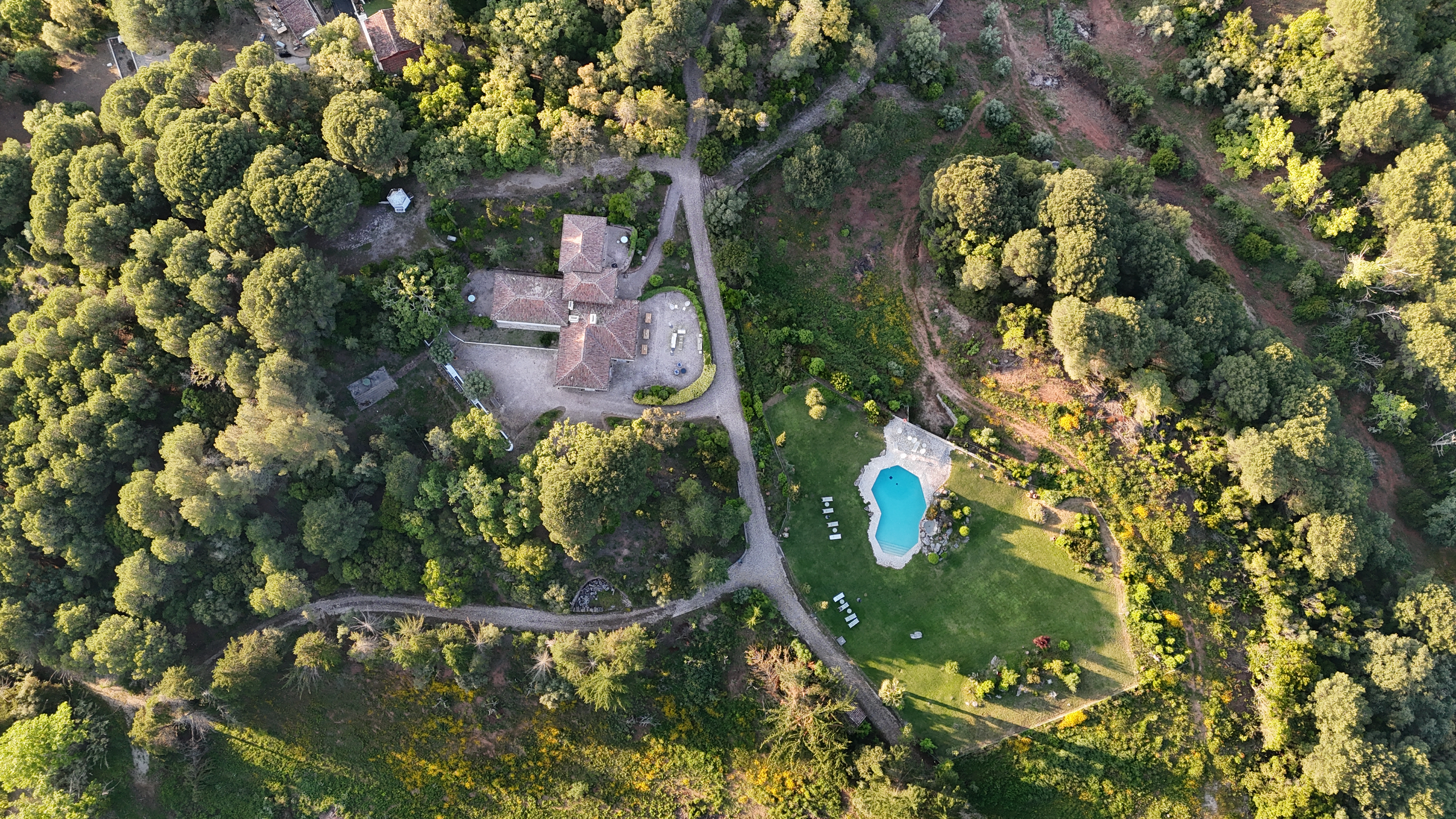
This is especially valuable if you are traveling to Portugal or choosing a rural stay abroad. The most rewarding places tend to reflect the region rather than imitate an international resort style that could exist anywhere. Quinta da Arrábida, for example, is appealing not only because of its privacy, but because the setting inside Arrábida Natural Park gives the stay a genuine sense of place.
Comfort should feel natural, not overdone
A private retreat should be comfortable enough that you immediately exhale, but not so polished that it loses warmth. For many travelers, the best stays are the ones that feel elevated and lived in at the same time - thoughtful interiors, quality bedding, generous common areas, and outdoor spaces designed for lingering.
Look closely at the practical details. Is there a proper kitchen if you want slow breakfasts or shared dinners at home? Are there shaded outdoor spaces for warm afternoons? Do the bedrooms feel restful and well separated? Is there enough room for your group to spread out without losing the pleasure of being together?
The answer depends on your travel style. Some people want a rustic stay and are happy with simplicity. Others want countryside charm with premium comfort. Neither is better, but it helps to know which version of comfort helps you relax. A retreat should not ask you to compromise on the things that matter most to your stay.
Shared spaces matter as much as bedrooms
When people travel in groups, they often focus on the number of beds and bathrooms. Those matter, but shared spaces shape the emotional experience. A generous table, a terrace with a view, a living room that invites long conversations, and outdoor areas where children or friends can gather comfortably often become the heart of the trip.
Consider what the landscape allows you to do
Part of learning how to choose a private nature retreat is understanding the difference between scenery and experience. A beautiful view is a gift, but a truly satisfying stay also gives you easy ways to enjoy the surroundings.
That could mean walking trails nearby, swimming spots, cycling routes, birdlife, beaches within reach, or access to local farms, wineries, and villages. If your ideal trip includes activity, the retreat should make it easy to step into the landscape without spending half the day in transit.
At the same time, not every traveler wants a packed schedule. If rest is the priority, the retreat itself should be enough. A peaceful garden, a shaded patio, mountain air, and silence at night can be more valuable than a long list of excursions. The right choice depends on whether you want nature as a backdrop or as a daily rhythm.
Pay attention to scale and atmosphere
Small details often reveal whether a retreat will feel restorative. Listen to the language used in the listing or website. Does it speak mostly about amenities, or about the experience of staying there? Is the atmosphere intimate, calm, and personal, or busy and event-driven?
Properties designed for private stays usually have a different energy from places built around turnover and volume. They tend to value slower mornings, longer stays, and the comfort of feeling at home in an exceptional setting. That does not mean every retreat must be remote or rustic. It means the atmosphere should support presence rather than distraction.
For families, this may mean outdoor freedom and practical comfort. For couples, it may mean silence and beauty. For groups of friends, it may mean enough space to celebrate without feeling watched. The ideal retreat is rarely the one with the most features. It is the one with the right mood.
Read for honesty, not perfection
The best retreat descriptions feel specific. They tell you what kind of stay the property is made for, what the setting is truly like, and how guests tend to experience it. Be cautious with language that feels generic or exaggerated. If every place promises total peace, luxury, and authenticity, the useful difference is in the details.
Reviews can help, but look for patterns rather than glowing one-line praise. Guests often reveal what matters most: whether the property feels private, whether hosts are attentive without being intrusive, whether the house is comfortable for groups, and whether the landscape is as immersive as it appears.
Imperfections are not always a problem. In fact, a rural retreat may have quirks that are part of its charm. What matters is whether those qualities align with your expectations. A winding road, a more natural setting, or a house with traditional character can feel either enchanting or inconvenient depending on what you came for.
Choose the place that changes your pace
The right retreat is the one that gently alters how you move through the day. You sleep longer. Meals take their time. Conversations stretch outdoors. Children roam more freely. Even a short stay begins to feel fuller, not because more is happening, but because less is competing for your attention.
That is the real answer to how to choose a private nature retreat. Choose the place that gives you privacy without sterility, comfort without excess, and a true connection to its surroundings. When a stay offers that balance, it becomes more than accommodation. It becomes part of why the trip stays with you.
If you are choosing carefully, trust the places that feel rooted, generous, and quietly memorable. The right retreat does not demand attention. It gives you back your own.