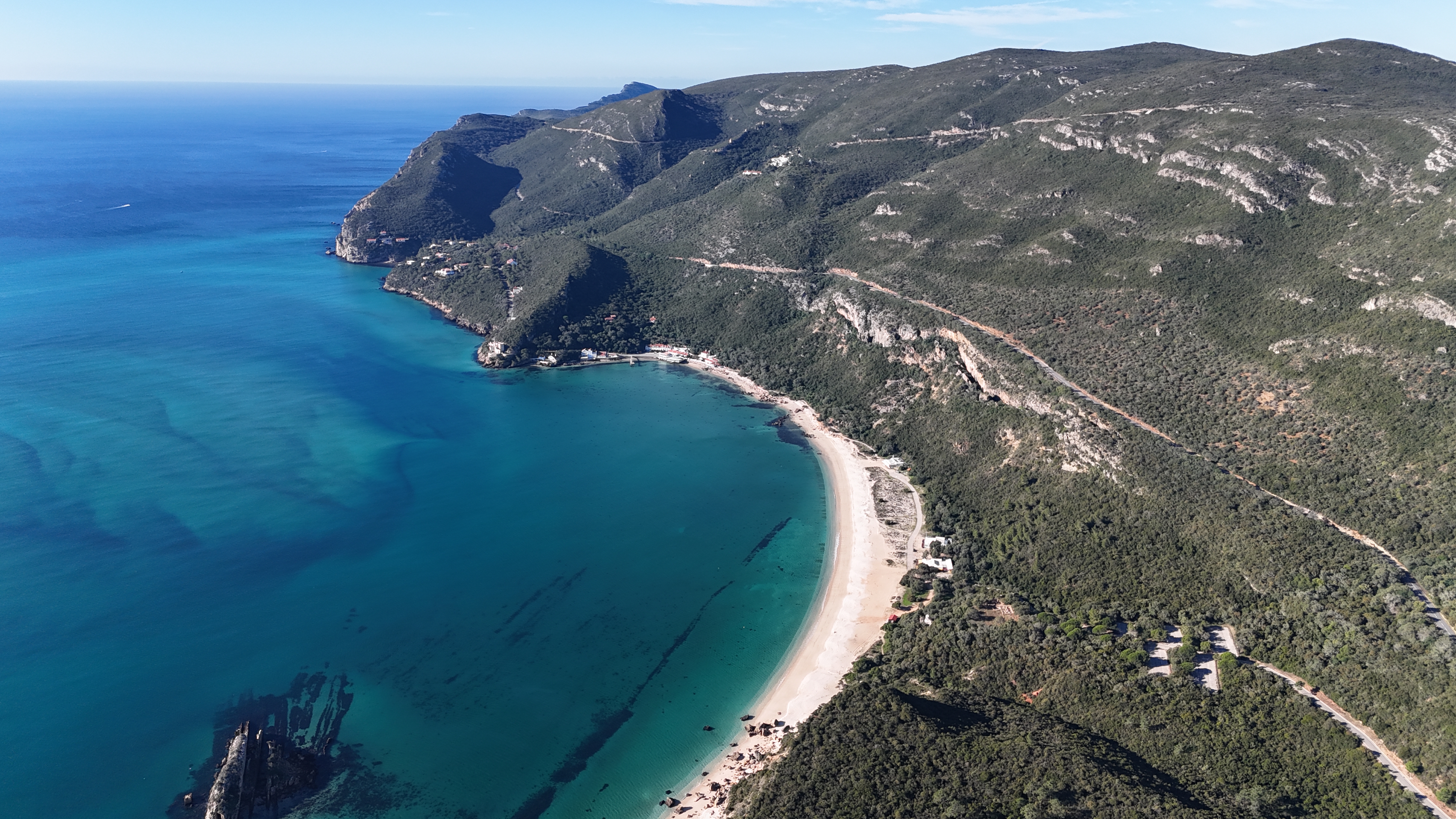
The difference between a group trip that restores everyone and one that quietly drains the room usually comes down to one choice - the setting. If you are wondering how to plan a nature focused group trip, start there. A beautiful house, open air, unhurried days, and enough privacy for everyone to feel at ease will shape the entire experience long before anyone packs a bag.
Nature-centered travel works best when it feels intentional rather than overfilled. Groups rarely need more stimulation. They need space, comfort, and a setting that gives people a reason to slow down together. Whether you are organizing a long weekend with friends, a family gathering, or a multigenerational escape, the goal is not to schedule every hour. It is to create the conditions for connection.
Start with the kind of nature experience you actually want
Not every green destination creates the same atmosphere. Some are built for activity from morning to night. Others invite a gentler rhythm, where a walk, a long lunch, and an evening outdoors are more than enough. Before choosing dates or accommodations, decide what nature should mean for your group.
For some travelers, that means hiking trails, scenic viewpoints, and time at the beach. For others, it means waking to birdsong, dining outside, and letting children roam safely between house and garden. Both are valid, but they require different planning. A group with avid walkers and younger children will need a different balance than a reunion of couples looking for calm and privacy.
This is where many group trips go off course. People say they want nature, but they book somewhere busy, exposed, or overly structured. The better approach is to define the feeling first. Do you want silence, movement, local character, or a bit of each? Once that is clear, practical decisions become much easier.
How to plan a nature focused group trip without overplanning it
A successful group getaway has shape, but not pressure. That balance matters even more in a natural setting, where the pleasure often comes from what is unplanned. If every meal, activity, and outing is fixed in advance, the trip can start to feel like logistics rather than rest.
Begin with a simple framework. Choose your travel dates, identify the non-negotiables, and leave room around them. Perhaps the group wants one hiking morning, one long shared dinner, and one local experience. That is enough structure to give the stay a rhythm without making it rigid.
It also helps to accept that not everyone will want the same day. In a good group trip, people should be able to move between togetherness and privacy. One person may want an early walk. Another may prefer coffee on the terrace and a slow start. A nature-focused stay is ideal for this because the setting itself offers value, even when people are doing different things.
Choose accommodations that support the group, not just the destination
This may be the most important decision of all. In group travel, the house is not simply where you sleep. It becomes the center of the experience. If it feels cramped, disconnected, or impersonal, the trip will too.
Look for accommodations with enough shared space to gather comfortably and enough private space to retreat. A large table, outdoor seating, separate bedrooms, and easy access to the landscape matter more than flashy extras. In nature, comfort should feel quiet and generous.
Privacy is another detail that changes everything. Groups tend to relax more fully when they are not sharing common areas with strangers or navigating the noise of a hotel. A private home or farm stay often suits this type of trip far better than standard lodging, especially for families and groups of friends who want to enjoy time together at their own pace.
Setting matters just as much as square footage. A home within or beside a protected natural area gives the stay a deeper sense of place. It turns the trip into more than a change of address. Places such as Arrabida Natural Park offer that rare combination of scenery, outdoor access, and a peaceful atmosphere that still feels rooted in local life.
Keep the itinerary light and the days textured
When people imagine a memorable group escape, they often think in terms of activities. In reality, what stays with them is usually the texture of the day. Morning light through the windows. A walk before lunch. Children playing outdoors while dinner is prepared. A conversation that lasts longer because no one needs to rush anywhere.
That is why lighter itineraries often create better memories. Plan one anchor activity a day at most, especially if the group is staying only a few nights. You might reserve one day for hiking, another for a scenic drive or beach visit, and leave the rest open for swimming, reading, cooking, or simply enjoying the property.
If your group includes different ages, avoid building the trip around the most energetic travelers. The strongest plan is one that lets everyone participate comfortably, with room to opt in or out. Nature makes this easier. A beautiful setting can satisfy the active guest and the restful one at the same time.
Food should feel easy, local, and shared
Meals can either anchor a group beautifully or create friction. The best approach is usually a blend of simple self-catering and a few planned treats. If the property includes a kitchen and outdoor dining space, use them. Shared breakfasts, long lunches, and relaxed dinners often become the most intimate parts of the stay.
There is no need to turn the trip into a production. Shop for good local ingredients, keep menus uncomplicated, and assign light responsibilities if needed. One person brings wine, another handles breakfast, another arranges a special dinner one evening. Done well, this feels collaborative rather than chore-like.
It is also worth considering the rhythm of the destination. In rural areas, food is part of the experience. Regional produce, local cheese, fresh bread, and seasonal dishes add a quiet sense of authenticity that hotel buffets rarely offer. For many groups, this is one of the pleasures of staying somewhere with character and space.
Think through comfort in a practical way
Nature-focused does not mean roughing it out. Especially for adult travelers, families, or mixed-age groups, comfort is what allows everyone to enjoy the setting more deeply. This includes obvious things such as good beds, enough bathrooms, shade, and climate control, but also smaller details that affect the mood.
Ask practical questions before booking. Is there enough room for everyone to gather indoors if the weather changes? Are the outdoor spaces usable throughout the day? Is parking simple? How far is the nearest beach, trail, or village? These details may seem secondary, but they shape how easy the stay will feel once everyone arrives.
Travel time deserves attention too. A dramatic destination loses some appeal if reaching it becomes exhausting for half the group. For a shorter stay, choose somewhere that feels immersed in nature without being overly remote. The sweet spot is often a place that feels private and restorative but still allows for easy arrivals, meals, and local outings.
Make room for both connection and solitude
This is one of the quiet secrets behind a successful group trip. Togetherness is not created by constant proximity. It grows when people feel relaxed enough to come together naturally.
That means planning for pauses. A terrace where someone can read alone. A garden where children can explore. A sitting room that invites conversation after dinner. In a well-chosen setting, solitude and connection are not opposites. They support each other.
If you are the organizer, resist the urge to entertain everyone at all times. Give the group a beautiful place to be, a few meaningful options, and permission to settle into their own pace. Often that is when the trip becomes most memorable.
How to plan a nature focused group trip that feels special
What makes a group stay feel elevated is rarely excess. It is thoughtfulness. A house with a view. A table set outdoors before sunset. Fresh local food waiting on arrival. A morning walk that begins right outside the door. These details create a sense of occasion without making the experience feel formal.
For travelers seeking something more personal than a hotel, this is where destination choice really matters. A stay in a private rural home, surrounded by protected landscape and shaped by local character, gives the group something difficult to manufacture elsewhere - the feeling of inhabiting a place rather than merely visiting it. That is part of what makes a property like Quinta da Arrabida so appealing for groups who value privacy, authenticity, and time well spent.
The most successful nature trips do not try to impress at every moment. They simply give people what they often miss in everyday life: beauty, calm, and the chance to be together without distraction. If you plan with that in mind, the trip will not need to be crowded to feel full.