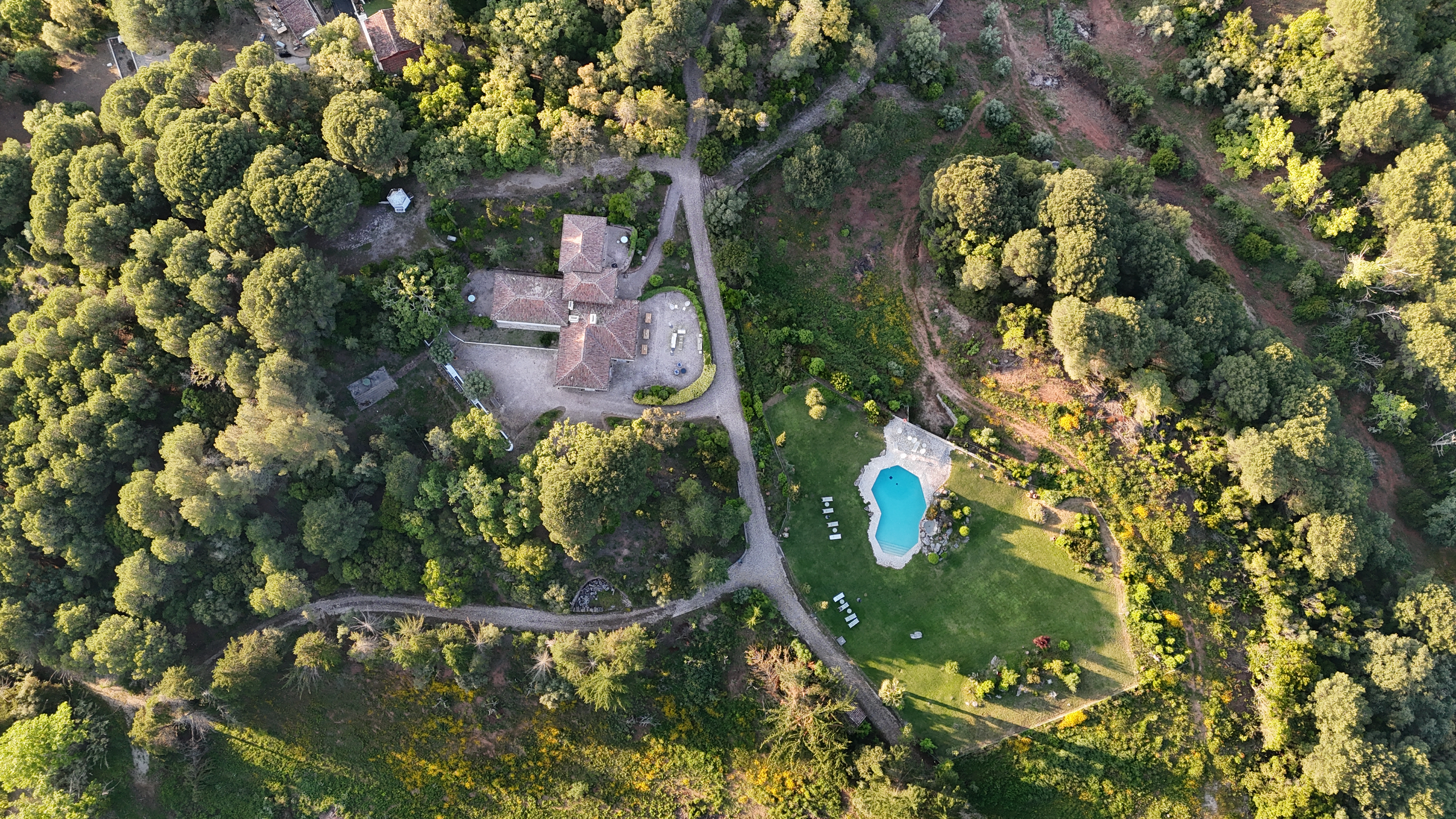
The best family trips are rarely the ones packed from morning to night. They are the ones where breakfast runs long, children have space to roam, and the day unfolds at a gentler pace. If you are wondering how to plan a rural family holiday, the real answer starts there - with choosing a setting that gives everyone room to slow down and enjoy being together.
A countryside stay can feel wonderfully simple, but planning it well makes all the difference. The right house, the right rhythm, and the right mix of comfort and nature can turn a short break into the kind of memory families return to for years.
Start with the kind of family time you actually want
Before comparing destinations or accommodation, think about what your family wants this trip to feel like. Some families want complete rest, with long lunches, quiet mornings, and easy walks. Others want days filled with beach visits, outdoor activities, village markets, and shared dinners back at the house.
That distinction matters because rural travel is not one single experience. A farmhouse in a protected natural area feels very different from a country hotel near a busy town. If privacy matters, a private house will usually suit you better than a standard property with shared spaces. If your group includes grandparents, small children, or friends traveling together, having separate bedrooms and generous common areas quickly becomes more than a luxury. It becomes what allows everyone to relax.
This is often where families make the smartest decision first. They stop choosing only by price or photos and start choosing by atmosphere. When the setting matches the trip you want, everything else becomes easier.
How to plan a rural family holiday around location
Location shapes the entire experience. A beautiful house matters, but so does what surrounds it. In a rural holiday, the landscape is not just a backdrop. It becomes part of the stay.
Look for a destination that gives you more than one way to spend the day. Natural parks, scenic trails, quiet beaches, vineyards, and traditional villages create variety without forcing long drives. That balance is especially useful for families, because not everyone wants the same pace every day.
It also helps to think practically. How far is the property from the airport or city? Will you need a car? Are grocery stores, local restaurants, or casual family-friendly spots within easy reach? A remote setting can feel wonderfully exclusive, but if every outing becomes complicated, the trip can lose some of its ease.
For many families, the sweet spot is a place that feels secluded but not isolated. Arrábida is a strong example of that balance, where protected nature, coastal beauty, and Portuguese rural character sit within reach of one another. It gives families space to retreat without feeling cut off.
Choose accommodation that gives your family space to settle in
One of the biggest differences between a good rural trip and a stressful one is whether the accommodation supports real daily life. Families do not just need a bed. They need space to move, gather, rest, and occasionally separate.
A private country house often works best because it lets the holiday follow your family’s rhythm rather than a hotel schedule. You can have slow breakfasts, children can nap without disrupting the day, and evenings can stretch naturally over a meal, a glass of wine, or time outdoors.
When comparing options, pay attention to layout as much as style. A lovely property with limited common space may feel tight by day two. Outdoor areas matter too. Gardens, shaded terraces, and open grounds give children freedom and give adults somewhere to truly exhale.
Comfort is part of the rural experience, not the opposite of it. The most memorable countryside stays combine authenticity with ease - natural surroundings, local character, and enough privacy and quality to make everyone feel looked after.
Build a loose plan, not an overplanned schedule
Families often arrive in the countryside hoping to relax, then accidentally recreate the pace they were trying to escape. A better approach is to plan for shape, not control.
Choose one anchor activity for each day, then leave the rest open. That might mean a morning hike, an afternoon at the beach, or lunch in a nearby village. Once one part of the day is set, the rest can be guided by mood, weather, and energy.
This matters even more with mixed-age groups. Young children may need downtime. Teenagers may want independence. Adults may want a slower morning than they admit while booking. A light structure keeps the trip from feeling aimless, but too much planning can make a rural holiday feel strangely rigid.
The best days usually leave room for the unexpected - a scenic road you did not plan to take, a local bakery you return to twice, or an afternoon that disappears into the garden because no one wants to go anywhere else.
Think carefully about what to pack for a countryside stay
Packing for a rural break is different from packing for a city stay or resort trip. You will want clothes that suit changing plans rather than fixed occasions. Comfortable walking shoes, layers for cooler evenings, sun protection, and simple clothing that can move from a village lunch to a nature walk are usually more useful than anything overly formal.
If you are traveling with children, small practical comforts go a long way. Familiar snacks, books, outdoor games, and a few favorite bedtime items can help everyone settle quickly. For longer stays, it is also worth checking whether the property includes basics such as laundry facilities, cooking essentials, or child-friendly features. Those details can reduce what you need to bring and make the stay feel far easier once you arrive.
Plan meals as part of the experience
Food often becomes one of the quiet highlights of a rural family holiday. In the countryside, meals tend to regain their place as part of the day rather than something squeezed in between plans.
That is why it helps to decide in advance how you want to handle them. Some families prefer the freedom of cooking in and sharing long dinners at home. Others want a mix of local restaurants and easy meals prepared at the house. Most do best with a combination of both.
If your accommodation has a kitchen, think about your first evening. Arriving to a stocked fridge, fresh bread, and a simple supper can set the tone beautifully, especially after travel. Then leave room for local flavors during the rest of the stay. Markets, regional produce, fresh fish, pastries, and relaxed lunches all add to the sense of place in a way no itinerary can.
Let the setting do some of the work
When people search for how to plan a rural family holiday, they often focus on logistics first. That is understandable, but the emotional side of the trip matters just as much. Families remember how a place felt.
A meaningful rural stay does not need constant entertainment. It needs a setting that invites connection. A terrace where everyone gathers before dinner, a path that begins just beyond the house, a view that changes the pace of the morning - these details shape the mood of the trip more than a packed agenda ever could.
This is where choosing a stay with a real sense of place becomes invaluable. Properties rooted in local character, rather than generic hospitality, tend to create deeper memories. At Quinta da Arrábida, for example, the appeal lies not only in privacy and comfort, but in the feeling of staying within a landscape that is unmistakably Portuguese and wonderfully calm.
Leave room for each generation
A family holiday should bring people together, but it should not require everyone to do everything together all the time. The most successful trips allow for overlap, not constant togetherness.
Adults may want a peaceful coffee before the house wakes up. Children may need open space more than formal activities. Grandparents may prefer scenic drives to long walks. If the destination and accommodation can support those different rhythms at once, the entire group tends to feel more at ease.
That is one reason rural travel works so well for multigenerational stays. There is usually more physical and mental space. People can come together naturally, then retreat when they need to. That balance often leads to better shared time, not less of it.
A well-planned countryside escape should feel easy once you arrive. If you choose the right setting, give your days some breathing room, and prioritize comfort as much as scenery, the trip begins to do what families quietly hope for - it gives everyone back a little time, and lets it be enjoyed properly.