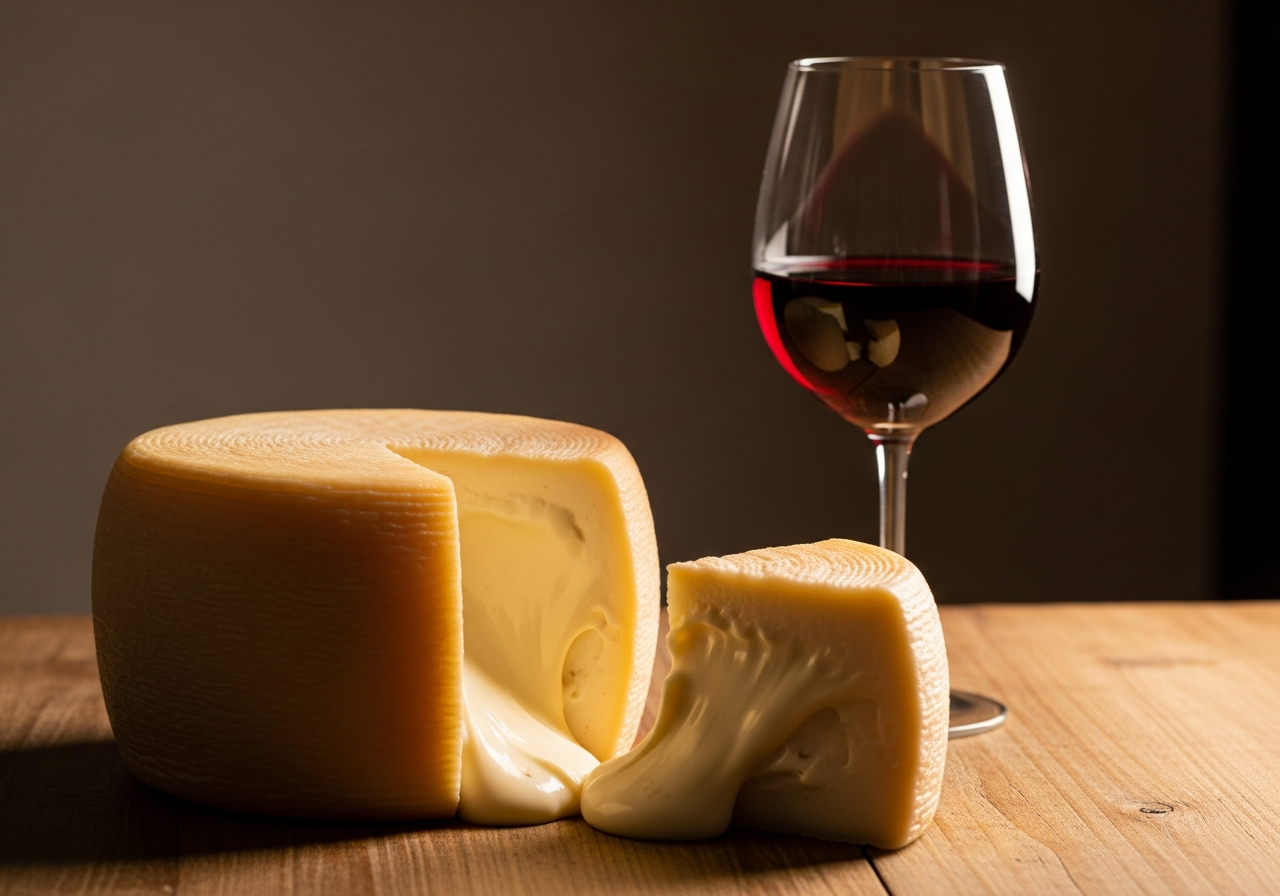
A late afternoon in Arrábida has a way of changing your pace. The light softens over the hills, the sea sits just beyond the vineyards, and a simple glass of local wine starts to feel less like a tasting and more like part of the landscape. That is exactly why wine tasting near Setubal appeals to travelers who want more than a quick stop at a cellar door. Here, the experience is as much about place as it is about the bottle.
Setúbal is one of those rare wine regions that feels generous without feeling overworked. You can spend the morning by the coast, have lunch in a small town square, and still arrive at a winery in time for a slow tasting overlooking vines and limestone ridges. For couples, families, and groups of friends staying in the Arrábida area, that balance matters. A wine day should feel relaxed, not scheduled to the minute.
Why wine tasting near Setubal feels different
The region has a distinct personality shaped by the Serra da Arrábida, Atlantic influence, and long agricultural traditions. You are not entering a wine landscape built only for visitors. You are stepping into a living rural area where vineyards sit alongside orchards, family estates, and small communities with their own rhythms.
That authenticity gives the experience real depth. Some wineries are elegant and polished, with carefully designed tasting rooms and beautifully presented flights. Others feel more intimate and rustic, where the conversation is part of the visit and local knowledge comes through naturally. Neither is better by default. It depends on the kind of day you want.
Setúbal is especially known for its sweet fortified Moscatel de Setúbal, but that should not overshadow the region’s table wines. Reds from Castelão have a grounded, structured character that suits local cuisine well, and fresh whites can be surprisingly refined. If you only arrive expecting dessert wine, you may miss the broader story.
What to expect from wineries in the Setubal area
Most visitors quickly notice that wineries near Setúbal vary in scale. Some are historic estates with broad distribution and a more formal visitor setup. Others are smaller producers where visits may feel more personal, though sometimes less flexible in terms of opening hours or tour language.
If you are choosing between options, think first about atmosphere rather than prestige. A well-known estate may offer consistency, polished service, and a fuller educational tour. A smaller property may offer quieter surroundings and a more direct connection to the people behind the wine. For many travelers, the best choice is not the most famous winery but the one that fits the mood of the trip.
Tastings often include regional context, not just wine notes. You may hear about the local soils, the role of the nearby sea, or the history of Moscatel production in the area. This is part of the pleasure. Wine here rarely feels detached from its setting.
How to plan a relaxed wine tasting near Setubal
The best wine days in this region usually leave room to breathe. Trying to fit four or five wineries into one afternoon tends to flatten the experience. Two thoughtful stops are often enough, especially if one includes a vineyard walk or a longer tasting.
Start by deciding whether you want your day to lean coastal, rural, or culinary. If your group is drawn to scenic drives and nature, pair a winery visit with time in Arrábida Natural Park. If food is central to the experience, build around a long lunch and choose one winery before and one after. If you are traveling with family or a mixed group, keep the schedule simple and choose properties with spacious outdoor settings.
Transportation matters more than people sometimes assume. Roads around Arrábida and Setúbal are beautiful, but they are best enjoyed without rushing. If everyone in your group wants to taste freely, arranging a driver is worth considering. It changes the tone of the day from practical to fully relaxed.
Advance booking is also wise, especially in warmer months and on weekends. Some estates welcome spontaneous visitors, but many of the most rewarding visits are guided and need to be reserved. This is particularly true if you want a private tasting or a tour in English.
Pairing wine with the local landscape
One of the pleasures of this area is that wine tasting does not need to stand alone. The wider setting adds texture to the day. Vineyards near Setúbal are close enough to beaches, hilltop viewpoints, traditional towns, and rural estates that wine becomes part of a fuller experience rather than the entire agenda.
That matters for travelers who want a sense of escape. A tasting followed by time outdoors feels very different from a tasting folded into a city itinerary. In Arrábida, you can move from a shaded terrace to a vineyard, then return to a private house surrounded by quiet. The rhythm is slower, and the memories tend to be richer because the day has contrast.
This is one reason the region works so well for small groups. Not everyone needs to be equally focused on wine for the outing to succeed. Some may be there for the scenery, some for the food, others for the cellar visit itself. Setúbal accommodates all of that comfortably.
What wines to look for
Moscatel de Setúbal deserves its reputation. Aromatic, layered, and often marked by notes of orange peel, caramel, spice, and dried fruit, it can be luxurious without becoming heavy when served well. At a winery, it often makes much more sense than it does when tasted casually elsewhere. You see how it fits local tradition and why people here are proud of it.
Still, stopping at Moscatel would be limiting. Castelão-based reds are another regional signature, often showing earthy fruit, firmness, and good affinity with grilled meats and hearty dishes. Depending on the producer, they can range from approachable and bright to more serious and cellar-worthy.
Whites are worth your attention too, particularly on warm days. Fresh, mineral, and shaped by maritime influence, they suit the climate beautifully. If your tasting includes several styles, it is often these wines that surprise visitors most.
Turning a tasting into a memorable stay
For many travelers, the real luxury is not simply visiting a winery but having time to absorb the experience afterward. A good bottle purchased at the cellar means more when you can open it later with family or friends on a private terrace, with dinner stretching into the evening and nowhere else to be.
That is where the choice of accommodation changes the trip. Instead of treating wine tasting as a stand-alone activity, it becomes part of a longer, more personal stay rooted in the region. A house in the Arrábida countryside offers privacy, space, and a natural connection to the landscape that a standard hotel rarely provides. For guests staying at Quinta da Arrábida, that sense of continuity feels especially natural - the vineyards, the hills, and the quiet are all part of the same experience.
There is also a practical advantage. When you stay nearby, you do not need to compress everything into one day. You can visit one winery in the afternoon, enjoy dinner at your own pace, and leave another tasting for the next morning or the following day. The region rewards that slower approach.
A few smart choices before you go
It helps to know what kind of tasting you enjoy. If you love detail, choose a guided visit with vineyard and cellar access. If you prefer atmosphere over technical discussion, look for an estate with outdoor seating and a scenic setting. If your group includes both wine enthusiasts and casual drinkers, a winery with food pairings or generous grounds will usually suit everyone better.
Season also shapes the experience. Summer brings long, golden evenings and an easy holiday mood, but it can be warmer and busier. Spring tends to feel fresh and green, while harvest season has its own energy and appeal. Winter visits can be quieter and more intimate, though opening hours may be narrower.
Above all, resist the urge to treat the region like a checklist. The most satisfying wine tasting near Setubal usually comes from choosing well, lingering longer, and allowing the day to unfold with a little ease. In a place this naturally beautiful, that is when the wine - and everything around it - feels most memorable.
If you are planning time in Arrábida, let the tasting be one part of a slower, more generous stay. A glass shared after a day in the hills often says more about the region than any itinerary ever could.